Business Name: BeeHive Homes of Raton
Address: 1465 Turnesa St, Raton, NM 87740
Phone: (575) 271-2341
BeeHive Homes of Raton
BeeHive Homes of Raton is a warm and welcoming Assisted Living home in northern New Mexico, where each resident is known, valued, and cared for like family. Every private room includes a 3/4 bathroom, and our home-style setting offers comfort, dignity, and familiarity. Caregivers are on-site 24/7, offering gentle support with daily routines—from medication reminders to a helping hand at mealtime. Meals are prepared fresh right in our kitchen, and the smells often bring back fond memories. If you're looking for a place that feels like home—but with the support your loved one needs—BeeHive Raton is here with open arms.
1465 Turnesa St, Raton, NM 87740
Business Hours
Monday thru Sunday: 9:00am to 5:00pm
Facebook: https://www.facebook.com/BeeHiveHomesRaton
Families typically pertain to memory care after months, in some cases years, of handling little modifications that turn into huge dangers: a range left on, a fall in the evening, the sudden anxiety of not recognizing a familiar corridor. Great dementia care does not begin with innovation or architecture. It starts with respect for a person's rhythm, preferences, and self-respect, then uses thoughtful design and practice to keep that individual engaged and safe. The best assisted living communities that concentrate on memory care keep this at the center of every choice, from door hardware to day-to-day schedules.
The last decade has actually brought steady, practical enhancements that can make daily life calmer and more meaningful for citizens. Some are subtle, the angle of a hand rails that dissuades leaning, or the color of a bathroom floor that lowers mistakes. Others are programmatic, such as short, frequent activity obstructs rather of long group sessions, or meal menus that adjust to altering motor capabilities. A lot of these ideas are easy to adopt in your home, which matters for families using respite care or supporting a loved one in between sees. What follows is a close look at what works, where it assists most, and how to weigh options in senior living.
Safety by Style, Not by Restraint
A secure environment does not need to feel locked down. The first goal is to lower the possibility of harm without removing freedom. That starts with the floor plan. Short, looping corridors with visual landmarks assist a resident find the dining-room the exact same way every day. Dead ends raise frustration. Loops decrease it. In small-house designs, where 10 to 16 locals share a common area and open kitchen, staff can see more of the environment at a glance, and homeowners tend to mirror one another's routines, which supports the day.
Lighting is the next lever. Older eyes require more light, and dementia magnifies sensitivity to glare and shadow. Overhead fixtures that spread out even, warm illumination cut down on the "great void" impression that dark doorways can create. Motion-activated course lights assist in the evening, especially in the three hours after midnight when numerous locals wake to use the bathroom. In one building I worked with, changing cool blue lights with 2700 to 3000 Kelvin bulbs and including constant under-cabinet lighting in the kitchen area decreased nighttime falls by a 3rd over 6 months. That was not a randomized trial, however it matched what personnel had observed for years.
Color and contrast matter more than style magazines suggest. A white toilet on a white flooring can disappear for somebody with depth understanding modifications. A sluggish, non-slip, mid-tone flooring, a clearly contrasted toilet seat, and a solid shower chair increase confidence. Prevent patterned floors that can look like barriers, and avoid shiny finishes that mirror like puddles. The objective is to make the correct choice apparent, not to force it.
Door choices are another peaceful innovation. Instead of hiding exits, some neighborhoods reroute attention with murals or a resident's memory box placed nearby. A memory box, the size of a shadow frame, holds individual products and photos that cue identity and orient someone to their space. It is not decor. It is a lighthouse. Easy door hardware, lever instead of knob, assists arthritic hands. Delaying unlocking with a quick, staff-controlled time lock can provide a group adequate time to engage a person who wants to stroll outside without developing the sensation of being trapped.
Finally, think in gradients of safety. A totally open yard with smooth walking courses, shaded benches, and waist-high plant beds welcomes motion without the risks of a car park or city walkway. Add sightlines for personnel, a couple of gates that are staff-keyed, and a paved loop wide enough for two walkers side by side. Movement diffuses agitation. It also preserves muscle tone, cravings, and mood.


Calming the Day: Rhythms, Not Stiff Schedules
Dementia affects attention period and tolerance for overstimulation. The very best daily strategies regard that. Instead of 2 long group activities, think in blocks of 15 to 40 minutes that stream from one to the next. An early morning might start with coffee and music at individual tables, transition to a short, guided stretch, then an option between a folding laundry station or an art table. These are not busywork. They are familiar jobs with a purpose that lines up with previous roles.
A resident who operated in an office might settle with a basket of envelopes to sort and stamps to place. A previous carpenter may sand a soft block of wood or assemble harmless PVC pipe puzzles. Someone who raised kids might combine infant clothes or organize little toys. When these choices show a person's history, participation rises, and agitation drops.
Meal timing is another rhythm lever. Appetite changes with illness phase. Offering 2 lighter breakfasts, separated by an hour, can increase overall consumption without requiring a large plate simultaneously. Finger foods eliminate the barrier of utensils when tremors or motor preparation make them aggravating. A turkey and cranberry slider can deliver the same nutrition as a plated roast when cut correctly. Foods with color contrast are easier to see, so blueberries in oatmeal or a piece of tomato beside an egg improves both appeal and independence.
Sundowning, the late afternoon swell of confusion or anxiety, deserves its own strategy. Dimmer spaces, loud tvs, and noisy corridors make it worse. Staff can preempt it by moving to tactile activities in more vibrant, calmer spaces around 3 p.m., and by timing a snack with protein and hydration around the very same hour. Households frequently assist by visiting sometimes that fit the resident's energy, not the family's convenience. A 20-minute visit at 10 a.m. for a morning individual is better than a 60-minute visit at 5 p.m. that sets off a meltdown.
Technology That Silently Helps
Not every gadget belongs in memory care. The bar is high: it should reduce threat or increase quality of life without including a layer of confusion. A few classifications pass the test.
Passive motion sensors and bed exit pads can inform personnel when someone gets up in the evening. The very best systems find out patterns over time, so they do not alarm each time a resident shifts. Some communities link restroom door sensing units to a soft light cue and a personnel notice after a timed interval. The point is not to race in, however to check if a resident requirements help dressing or is disoriented.
Wearable gadgets have blended outcomes. Action counters and fall detectors assist active locals ready to wear them, particularly early in the disease. Later, the device ends up being a foreign item and may be eliminated or fiddled with. Location badges clipped discreetly to clothing are quieter. Personal privacy concerns are real. Families and neighborhoods need to agree on how information is utilized and who sees it, then review that agreement as needs change.
Voice assistants can be useful if put smartly and configured with rigorous privacy controls. In personal spaces, a device that responds to "play Ella Fitzgerald" or "what time is supper" can reduce recurring questions to personnel and ease loneliness. In common areas, they are less successful due to the fact that cross-talk confuses commands. The rise of clever induction cooktops in presentation cooking areas has also made cooking programs much safer. Even in assisted living, where some homeowners do not need memory care, induction cuts burn danger while allowing the pleasure of preparing something together.
The most underrated technology remains environmental control. Smart thermostats that prevent big swings in temperature, motorized blinds that keep glare consistent, and lighting systems that shift color temperature throughout the day support circadian rhythm. Personnel notice the distinction around 9 a.m. and 7 p.m., when residents settle more quickly. None of this changes human attention. It extends it.
Training That Sticks
All the style worldwide stops working without knowledgeable people. Training in memory care ought to exceed the illness basics. Staff require practical language tools and de-escalation methods they can use under stress, with a focus on in-the-moment problem fixing. A few concepts make a reputable backbone.
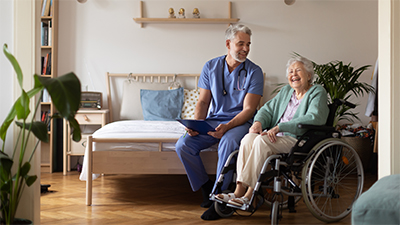
Approach counts more than material. Standing to the side, moving at the resident's speed, and offering a single, concrete hint beats a flurry of instructions. "Let's attempt this sleeve initially" while carefully tapping the ideal lower arm achieves more than "Put your t-shirt on." If a resident refuses, circling back in five minutes after resetting the scene works better than pressing. Hostility often drops when personnel stop trying to argue facts and instead verify sensations. "You miss your mother. Inform me her name," opens a path that "Your mother passed away thirty years ago" shuts.
Good training uses role-play and feedback. In one neighborhood, new hires practiced redirecting a colleague impersonating a resident who wished to "go to work." The best actions echoed the resident's career and redirected towards an associated task. For a retired teacher, staff would state, "Let's get your class ready," then walk towards the activity room where books and pencils were waiting. That sort of practice, duplicated and enhanced, turns into muscle memory.
Trainees also require assistance in principles. Stabilizing autonomy with safety is not simple. Some days, letting someone stroll the courtyard alone makes sense. Other days, tiredness or heat makes it a bad option. Staff ought to feel comfortable raising the compromises, not just following blanket rules, and supervisors should back judgment when it comes with clear thinking. The outcome is a culture where citizens are dealt with as grownups, not as tasks.
Engagement That Suggests Something
Activities that stick tend to share 3 characteristics: they recognize, they use numerous senses, and they use a possibility to contribute. It is tempting to fill a calendar with events that look excellent in images. Households delight in seeing a smiling group in matching hats, and from time to time a party does lift everyone. Daily engagement, however, often looks quieter.
Music is a trusted anchor. Customized playlists, developed from a resident's teens and twenties, use preserved memory paths. An earphone session of 10 minutes before bathing can alter the entire experience. Group singing works best when tune sheets are unnecessary and the songs are deeply understood. Hymns, folk requirements, or local favorites carry more power than pop hits, even if the latter feel current to staff.
Food, dealt with safely, offers limitless entry points. Shelling peas, kneading dough, slicing soft fruit with a safe knife, or rolling meatballs connects hands and nose to memory. The fragrance of onions in butter is a stronger cue than any poster. For locals with sophisticated dementia, simply holding a warm mug and breathing in can soothe.
Outdoor time is medication. Even a small patio area transforms mood when used consistently. Seasonal routines help, planting herbs in spring, gathering tomatoes in summer season, raking leaves in fall. A resident who lived his entire life in the city might still enjoy filling a bird feeder. These acts confirm, I am still required. The feeling outlives the action.
Spiritual care extends beyond formal services. A peaceful corner with a bible book, prayer beads, or a basic candle light for reflection respects diverse customs. Some residents who no longer speak in full sentences will still whisper familiar prayers. Staff can find out the essentials of a couple of traditions represented in the community and hint them respectfully. For homeowners without spiritual practice, secular rituals, checking out a poem at the very same time every day, or listening to a specific piece of music, provide similar structure.
Measuring What Matters
Families frequently request numbers. They deserve them. Falls, weight modifications, hospital transfers, and psychotropic medication use are basic metrics. Neighborhoods can add a couple of qualitative steps that expose more about quality of life. Time invested outdoors per resident per week is one. Frequency of meaningful engagement, tracked merely as yes or no per shift with a quick note, is another. The objective is not to pad a report, but to direct attention. If afternoon agitation increases, look back at the week's light direct exposure, hydration, and personnel ratios at that hour. Patterns emerge quickly.
Resident and household interviews add depth. Ask families, did you see your mother doing something she liked today? Ask locals, even with limited language, what made them smile today. When the response is "my child checked out" 3 days in a row, that tells you to schedule future interactions around that anchor.
Medications, Behavior, and the Middle Path
The severe edge of dementia shows up in habits that scare families: shouting, getting, sleep deprived nights. Medications can help in particular cases, but they bring threats, particularly for older adults. Antipsychotics, for instance, increase stroke danger and can dull lifestyle. A mindful process begins with detection and documentation, then ecological change, then non-drug methods, then targeted, time-limited medication trials with clear objectives and regular reassessment.
Staff who know a resident's standard can typically find triggers. Loud commercials, a certain personnel approach, pain, urinary tract infections, or irregularity lead the list. A basic discomfort scale, adjusted for non-verbal signs, captures lots of episodes that would otherwise be identified "resistance." Treating the pain relieves the behavior. When medications are used, low doses and defined stop points minimize the opportunity of long-lasting overuse. Households must anticipate both candor and restraint from any senior living company about psychotropic prescribing.
Assisted Living, Memory Care, and When to Select Respite
Not everyone with dementia requires a locked system. Some assisted living neighborhoods can support early-stage locals well with cueing, housekeeping, and meals. As the disease advances, specialized memory care adds value through its environment and personnel knowledge. The trade-off is usually cost and the degree of liberty of movement. An honest evaluation looks at security events, caregiver burnout, roaming risk, and the resident's engagement in the day.
Respite care is the neglected tool in this series. An organized stay of a week to a month can support regimens, use medical tracking if needed, and offer household caregivers genuine rest. Good communities use respite as a trial period, introducing the resident to the rhythms of memory care without the pressure of a long-term move. Households learn, too, observing how their loved one reacts to group dining, structured activities, and different sleeping patterns. A successful respite stay frequently clarifies the next step, and when a return home makes good sense, staff can recommend environmental tweaks to bring forward.
Family as Partners, Not Visitors
The best outcomes take place when households stay rooted in the care plan. Early on, households can fill a "life story" file with more than generalities. Specifics matter. Not "enjoyed music," however "sang alto in the Bethany choir, 1962 to 1970." Not "worked in financing," but "bookkeeper who balanced the ledger by hand every Friday." These details power engagement and de-escalation.
Visiting patterns work better when they fit the individual's energy and reduce shifts. Phone calls or video chats can be short and regular rather than long and rare. Bring products that connect to previous functions, a bag of sorted coins to roll, recipe cards in familiar handwriting, a baseball radio tuned to the home team. If a visit raises agitation, shorten it and shift the time, instead of pushing through. Personnel can coach households on body language, utilizing less words, and using one choice at a time.
Grief should have a location in the collaboration. Households are losing parts of an individual they enjoy while also managing logistics. Communities that acknowledge this, with month-to-month support groups or one-on-one check-ins, foster trust. Simple touches, a staff member texting a photo of a resident smiling during an activity, keep families linked without varnish.
The Small Developments That Add Up
A couple of practical changes I have seen pay off throughout settings:
- Two clocks per room, one analog with dark hands on a white face, one digital with the day and date defined, decrease repeated "what time is it" questions and orient citizens who read better than they calculate. A "busy box" kept by the front desk with scarves to fold, old postcards to sort, a deck of large-print cards, and a soft brush for easy grooming tasks offers immediate redirection for someone distressed to leave. Weighted lap blankets in common rooms minimize fidgeting and offer deep pressure that calms, especially throughout movies or music sessions. Soft, color-coded tableware, red for numerous citizens, increases food intake by making portions noticeable and plates less slippery. Staff name tags with a large first name and a single word about a pastime, "Maria, baking," humanize interactions and spur conversation.
None of these needs a grant or a remodel. They need attention to how individuals in fact move through a day.
Designing for Dignity at Every Stage
Advanced dementia difficulties every system. Language thins, mobility fades, and swallowing can falter. Self-respect remains. Rooms need to adjust with hospital-grade beds that look residential, not institutional. Ceiling raises extra backs and bruised arms. Bathing BeeHive Homes of Raton elderly care shifts to a warmth-first approach, with towels preheated and the room established before the resident enters. Meals highlight pleasure and security, with textures changed and flavors protected. A puréed peach served in a little glass bowl with a sprig of mint reads as food, not as medicine.
End-of-life care in memory systems gain from hospice partnerships. Integrated teams can deal with discomfort aggressively and support households at the bedside. Personnel who have actually known a resident for several years are often the very best interpreters of subtle cues in the final days. Routines help here, too, a peaceful song after a passing, a note on the neighborhood board honoring the individual's life, permission for personnel to grieve.
Cost, Gain access to, and the Realities Families Face
Innovations do not remove the fact that memory care is costly. In numerous areas of the United States, private-pay rates run from the mid four figures to well above ten thousand dollars monthly, depending on care level and area. Medicare does not cover room and board in assisted living or memory care. Medicaid waivers can help in some states, however slots are minimal and waitlists long. Long-lasting care insurance coverage can balance out expenses if bought years earlier. For households drifting between choices, combining adult day programs with home care can bridge time until a move is needed. Respite stays can likewise extend capacity without committing prematurely to a full transition.
When touring neighborhoods, ask particular questions. How many homeowners per staff member on day and night shifts? How are call lights kept track of and intensified? What is the fall rate over the past quarter? How are psychotropic medications examined and minimized? Can you see the outside space and see a mealtime? Vague responses are a sign to keep looking.
What Progress Looks Like
The best memory care communities today feel less like wards and more like communities. You hear music tuned to taste, not a radio station left on in the background. You see residents moving with function, not parked around a television. Staff use given names and mild humor. The environment nudges rather than dictates. Household pictures are not staged, they are lived in.
Progress is available in increments. A restroom that is easy to browse. A schedule that matches an individual's energy. A staff member who knows a resident's college fight tune. These information amount to security and joy. That is the real innovation in memory care, a thousand little choices that honor an individual's story while meeting today with skill.
For households searching within senior living, including assisted living with dedicated memory care, the signal to trust is simple: watch how the people in the space look at your loved one. If you see persistence, interest, and regard, you have most likely discovered a place where the innovations that matter many are already at work.
BeeHive Homes of Raton provides assisted living care
BeeHive Homes of Raton provides memory care services
BeeHive Homes of Raton provides respite care services
BeeHive Homes of Raton supports assistance with bathing and grooming
BeeHive Homes of Raton offers private bedrooms with private bathrooms
BeeHive Homes of Raton provides medication monitoring and documentation
BeeHive Homes of Raton serves dietitian-approved meals
BeeHive Homes of Raton provides housekeeping services
BeeHive Homes of Raton provides laundry services
BeeHive Homes of Raton offers community dining and social engagement activities
BeeHive Homes of Raton features life enrichment activities
BeeHive Homes of Raton supports personal care assistance during meals and daily routines
BeeHive Homes of Raton promotes frequent physical and mental exercise opportunities
BeeHive Homes of Raton provides a home-like residential environment
BeeHive Homes of Raton creates customized care plans as residents’ needs change
BeeHive Homes of Raton assesses individual resident care needs
BeeHive Homes of Raton accepts private pay and long-term care insurance
BeeHive Homes of Raton assists qualified veterans with Aid and Attendance benefits
BeeHive Homes of Raton encourages meaningful resident-to-staff relationships
BeeHive Homes of Raton delivers compassionate, attentive senior care focused on dignity and comfort
BeeHive Homes of Raton has a phone number of (575) 271-2341
BeeHive Homes of Raton has an address of 1465 Turnesa St, Raton, NM 87740
BeeHive Homes of Raton has a website https://beehivehomes.com/locations/raton/
BeeHive Homes of Raton has Google Maps listing https://maps.app.goo.gl/ygyCwWrNmfhQoKaz7
BeeHive Homes of Raton has Facebook page https://www.facebook.com/BeeHiveHomesRaton
BeeHive Homes of Raton won Top Assisted Living Homes 2025
BeeHive Homes of Raton earned Best Customer Service Award 2024
BeeHive Homes of Raton placed 1st for Senior Living Communities 2025
People Also Ask about BeeHive Homes of Raton
What is BeeHive Homes of Raton Living monthly room rate?
The rate depends on the level of care that is needed (see Pricing Guide above). We do a pre-admission evaluation for each resident to determine the level of care needed. The monthly rate is based on this evaluation. There are no hidden costs or fees
Can residents stay in BeeHive Homes until the end of their life?
Usually yes. There are exceptions, such as when there are safety issues with the resident, or they need 24 hour skilled nursing services
Do we have a nurse on staff?
No, but each BeeHive Home has a consulting Nurse available 24 – 7. if nursing services are needed, a doctor can order home health to come into the home
What are BeeHive Homes’ visiting hours?
Visiting hours are adjusted to accommodate the families and the resident’s needs… just not too early or too late
Do we have couple’s rooms available?
Yes, each home has rooms designed to accommodate couples. Please ask about the availability of these rooms
Where is BeeHive Homes of Raton located?
BeeHive Homes of Raton is conveniently located at 1465 Turnesa St, Raton, NM 87740. You can easily find directions on Google Maps or call at (575) 271-2341 Monday through Sunday 9:00am to 5:00pm
How can I contact BeeHive Homes of Raton?
You can contact BeeHive Homes of Raton by phone at: (575) 271-2341, visit their website at https://beehivehomes.com/locations/raton/, or connect on social media via Facebook
The Art of Snacks provides a fun, casual stop where residents in assisted living, memory care, senior care, and elderly care can enjoy treats with loved ones or caregivers as part of enjoyable respite care outings.